CRM software is often described in three types: operational, analytical and collaborative. In practice, most modern CRMs combine all three, but the terms are a useful way to think about what you need. This article explains each type with examples from travel businesses and helps you decide which capabilities matter most.
Operational CRM
Operational CRM supports the day-to-day work of sales, marketing and service.
- Sales automation: lead capture, assignment, follow-up reminders and pipelines.
- Marketing automation: email and WhatsApp campaigns, segmentation and offers.
- Service automation: support tickets, complaint tracking and post-trip feedback.
Travel example: a website enquiry for a Kerala holiday is assigned to a salesperson, who receives a reminder to follow up, sends a quote from a template and moves the lead through the pipeline.
Analytical CRM
Analytical CRM turns customer and sales data into insights.
- Conversion rates by lead source, destination and salesperson.
- Customer segments based on trip type, spend and frequency.
- Seasonal demand trends and booking lead times.
- Customer lifetime value and repeat booking rates.
Travel example: analysis shows honeymoon enquiries from social media convert well but slowly, so the agency adjusts its follow-up schedule and budgets more for that channel before wedding season.
Collaborative CRM
Collaborative CRM shares customer information across teams and partners.
- Shared notes and history visible to sales, operations and support.
- Handover of confirmed bookings from sales to operations.
- Communication with suppliers and partner agents linked to the customer record.
Travel example: when a traveller calls during their trip, the support agent sees the itinerary, supplier confirmations and previous messages instantly, without asking the salesperson.
Which type does a travel business need?
- Small agencies: focus on operational CRM: lead capture, follow-ups and quotes.
- Growing agencies and tour operators: add collaborative features for smooth handovers between sales and operations.
- Larger companies and OTAs: invest in analytical CRM to guide marketing spend, pricing and product decisions.
Travel-specific capabilities to look for
- Itinerary and quotation builders.
- Traveller profiles with passports, preferences and family members.
- Supplier rates and confirmations.
- Integration with the booking engine.
- WhatsApp integration, given how many travel conversations happen there.
How the three types work together
The three types are most powerful when combined. Operational features capture clean data on every lead and booking. Collaborative features make that data available to everyone who serves the customer. Analytical features then use the accumulated data to show what works. Weak operational habits, such as missing lost reasons or unlogged calls, undermine both collaboration and analysis, which is why daily discipline in the CRM matters so much.
Choosing a CRM with the right balance
When evaluating products, ask for a demo of a real travel scenario: an enquiry arriving on WhatsApp, a quote with hotels and transfers, a handover to operations and a monthly conversion report. Seeing all three types in one flow reveals gaps quickly.
In practice: growing through the types
An agency started with simple lead tracking and reminders, purely operational use. As it grew to two teams, it began using shared notes and booking handovers, the collaborative side. After a year of clean data, its managers used conversion and segment reports to decide which destinations to promote, the analytical side. The same CRM supported each stage; the agency simply used more of it as it grew.
Frequently asked questions
Do I need three separate systems?
No. Most CRMs include all three types of capability in one product.
Which matters most at the start?
Operational features, because they directly prevent lost leads and slow responses.
Key takeaways
- Operational CRM runs daily sales, marketing and service work.
- Analytical CRM turns data into decisions.
- Collaborative CRM shares information across teams and partners.
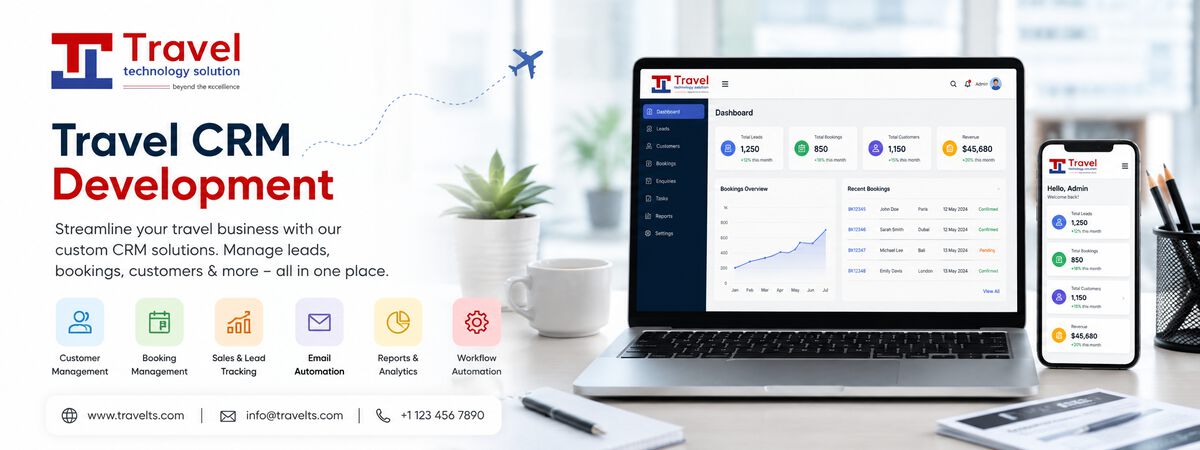
Our travel CRM combines all three for agencies, DMCs and tour operators.