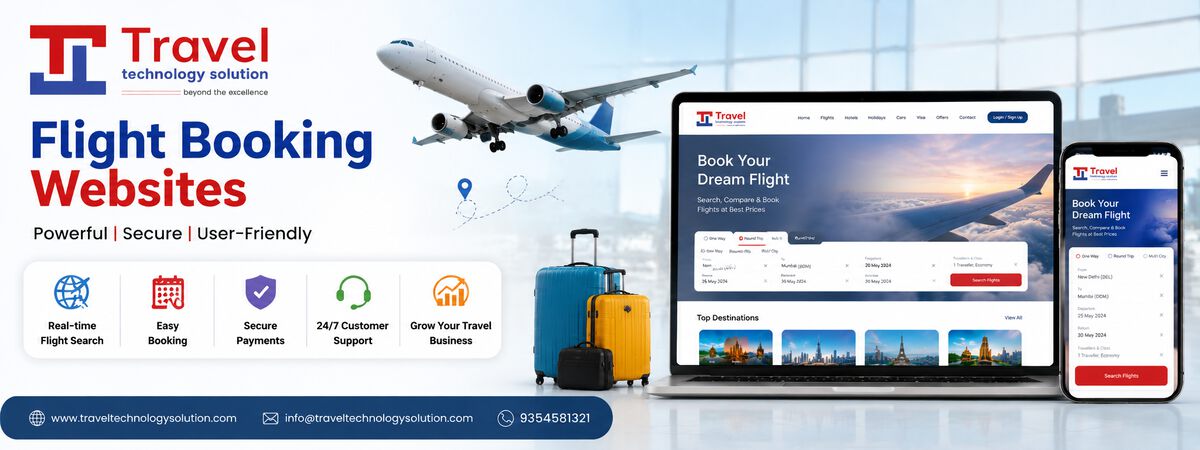
A white label travel portal lets you sell travel under your own brand on a provider's technology. Providers differ widely in what they include, and the gaps often appear only after launch. This article lists the features a good white label travel portal should offer, so you can compare providers properly.
Booking products
- Flights with GDS and low-cost carrier content, fare rules and baggage.
- Hotels from multiple suppliers with mapped content and clear cancellation policies.
- Holidays, with the option to add your own packages.
- Bus, transfers and activities, depending on your market.
Ask which suppliers are included, in which regions, and whether you can add your own supplier agreements later.
Branding and content
- Your domain, logo, colours and email address.
- Editable home page, banners and offers.
- Your own pages: about, contact, policies and destination guides.
- Branded emails, tickets, vouchers and invoices.
- Editable SEO titles and descriptions.
Pricing control
- Markups and discounts by product, supplier, destination and channel.
- Service and convenience fees.
- Promo codes and campaign pricing.
Payments
- Choice of payment gateway, ideally your own merchant account.
- UPI, cards, net banking and EMI.
- Refunds to the original payment method.
B2B tools (if you serve agents)
- Agent registration and approval.
- Wallets and credit limits.
- Agent markups and branded documents.
- Agent ledgers and statements.
Admin panel
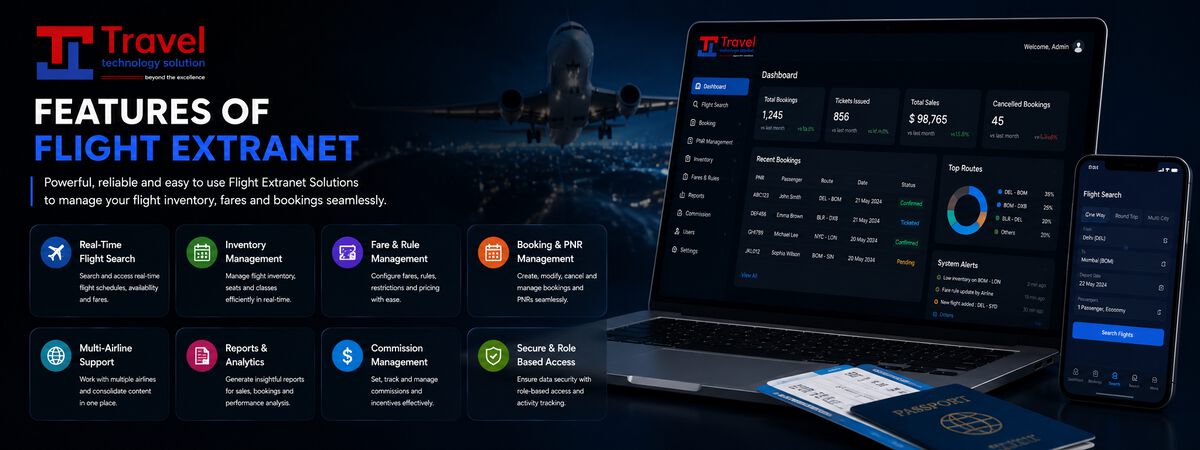
- Bookings with search, filters and status.
- Cancellation and refund management.
- Customer and agent management.
- Sales and margin reports.
- Staff roles and permissions.
Support and service
- Clear support hours and response times.
- Help with supplier issues such as failed tickets or hotel problems.
- Regular platform updates and security patches included.
Ownership and exit
Make sure you own your domain, customer data and booking history, and can export them. Ask what happens if you decide to move to another platform or a custom build later.
Red flags
- No editable SEO settings, which makes ranking difficult.
- Payments only through the provider's account with slow settlements.
- Unclear after-sales responsibility.
- No way to export your data.
In practice: comparing providers with this list
An agency shortlisted three white label providers that looked similar in demos. Using this list, it found that one could not use the agency's own payment gateway and another had no SEO controls. The third met every requirement, including data export, and became the clear choice.
Common mistakes when choosing
- Judging providers by the demo home page instead of the full booking flow.
- Ignoring after-sales: who handles cancellations, refunds and schedule changes.
- Signing without checking data export and exit terms.
Questions to ask in a demo
Ask the provider to book a real flight and hotel in front of you, then cancel them. Ask to see the admin panel's booking list, refund screen and reports, and to change a markup live. Watching these everyday tasks reveals far more about the platform than a list of features.
Frequently asked questions
Can I add my own holiday packages?
Many white label platforms include a package module. Confirm it before signing if packages matter to you.
Can a white label portal grow into a custom platform?
Some providers offer an upgrade path with custom features. Ask about it early.
Key takeaways
- Check products, suppliers, branding, pricing and payment control.
- Admin, B2B and support features matter as much as the booking page.
- Own your domain and data so you can grow or move later.
See what is included in our white label travel portal.