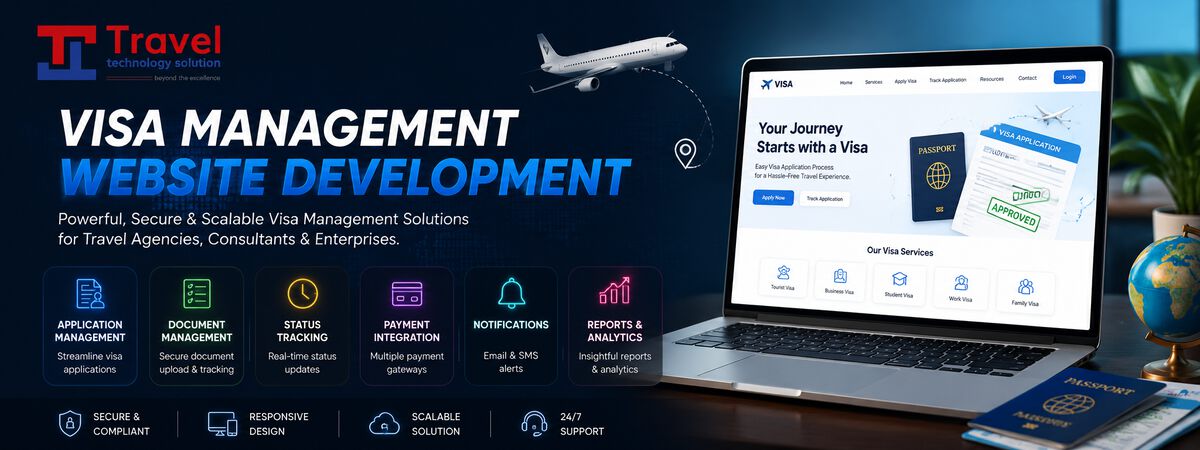
Visa Website Development: Features, Security, and API Integrations Guide
The global travel market demands fast, seamless documentation, making digital application processing more critical than ever. Whether you are building an e-visa portal for government use, an online travel agency (OTA) add-on, or a dedicated corporate immigration platform, specialized visa website development requires careful attention to compliance, data security, and seamless user experience design.
This technical guide covers the essential core features, API integrations, and digital security measures required to build a highly successful visa booking website.
Core Features Every Visa Website Needs
To deliver an optimized user experience and achieve high conversion rates, a modern visa platform must incorporate several essential functionalities:
- Smart Eligibility Checker: A dynamic form system where users enter their nationality, destination, and purpose of travel to instantly review specific visa requirements.
- Intelligent Document Scanner & Uploader: An integrated secure file uploader equipped with automated image compression and format checking for passports, photographs, and bank statements.
- Real-Time Application Tracker: A clean dashboard allowing users to check their live application status, receive automated step-by-step email updates, or request document corrections.
- Localized Secure Payment Processing: Integrations with global multi-currency payment networks to securely process consular charges, service fees, and mandatory travel insurance.
- Dynamic PDF Generation: The platform must instantly generate formatted application confirmations, transaction receipts, and downloadable final eVisa documents.
The Architecture: Essential APIs and Integrations
An independent visa platform cannot operate in a silo; it relies heavily on third-party verification and real-time travel data streaming to function effectively:
API Category | Industry Examples | System Functionality |
Visa Regulation Databases | IATA Timatic, Sherpa, VisaList API | Streams real-time, up-to-date entry rules, transit requirements, and country-specific travel restrictions. |
OCR & Document Verification | Google Cloud Vision, Abbyy, Jumio | Automatically reads passport data lines (MRZ codes) to eliminate human typing mistakes during data entry. |
Security & Payment Gateways | Stripe, PayPal, Razorpay | Secures customer payment routing, handles global fraud detection, and converts local currencies. |
To bypass complex technical hurdles and integrate these networks flawlessly, launching your system with a vendor specialized in Visa Booking Website Development ensures your business scales efficiently on a robust architecture.
Step-by-Step Visa Website Development Process
Building an enterprise-ready travel document platform involves a systematic technical pipeline:
UI/UX Design and Form Optimization
Lengthy forms cause user abandonment. Break the online visa application flow into clear, multi-step sections with save-and-continue logic so users can complete their entries over multiple sessions without losing data.
Selecting a Secure Tech Stack
For frontend design, use frameworks like React or Angular to build dynamic, responsive interfaces. For backend processes, utilize highly secure frameworks like Node.js, Python (Django), or enterprise Java to manage sensitive personal user records.
Enterprise-Grade Data Security
Visa sites manage highly confidential data like passport numbers, home addresses, and financial files. Implementing strict security measures is non-negotiable:
- End-to-End Encryption: Secure data using HTTPS protocols during transit and AES-256 standards while stored in databases.
- Compliance Standards: Maintain absolute compliance with local data privacy frameworks like GDPR and PCI-DSS for payments.
- Auto-Purging Logs: Configure files to automatically delete or archive securely from active servers once a visa application is fully processed.
Essential SEO Practices for Visa Platforms
Building your platform is only the first step; driving organic traffic requires targeting high-intent search terms. Implement these target keywords naturally across your digital structures:
- Target High-Intent Keywords: Weave high-volume phrases like "best visa application website", "apply for visa online", and "e-visa processing services" into your landing page headings and body text.
- Create Country-Specific Landing Pages: Build dedicated SEO pages for popular global travel corridors (e.g., "Apply for Dubai Visa Online", "Schengen Visa Guide").
- Publish Informative Content: Maintain a dedicated travel blog offering visa interview tips, processing time updates, and document checklists to capture early informational queries.