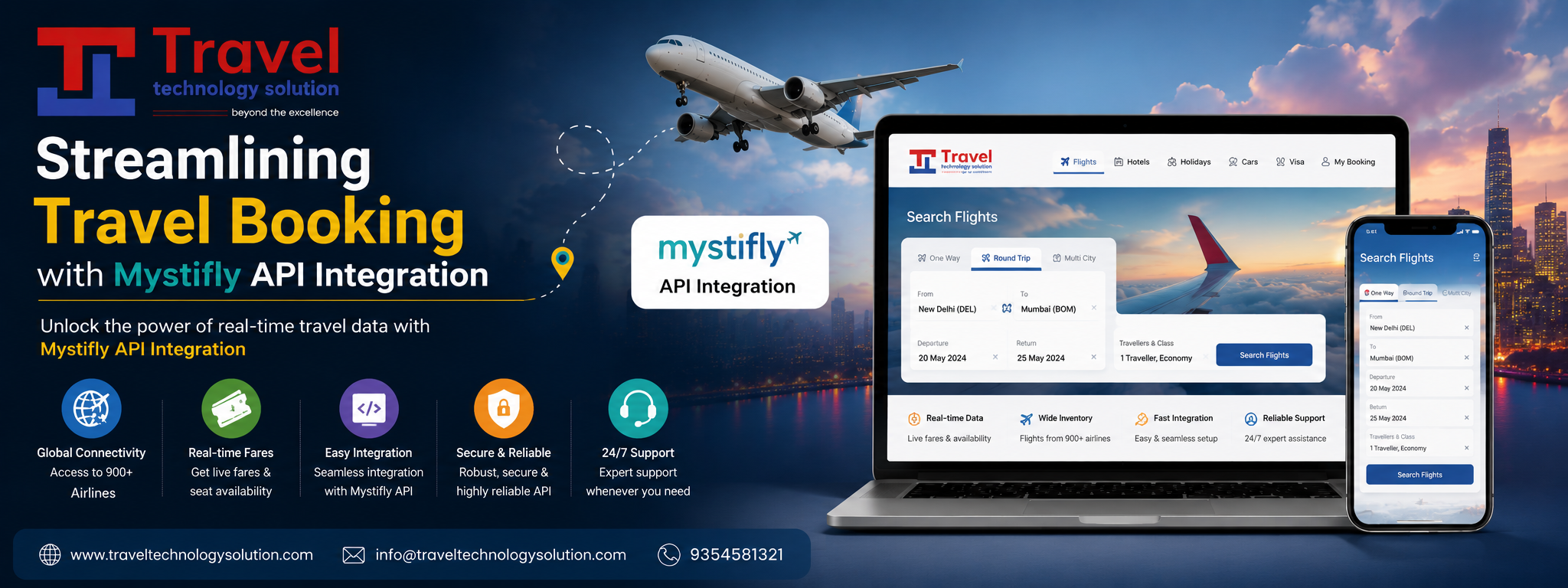
Integrating a travel API into your application or website
can provide valuable travel-related data and services to your users. Travel
APIs can offer information such as flight bookings, hotel reservations, car
rentals, weather updates, local attractions, and more. Here's a general guide
on how to integrate a travel API:
1. Choose
a Travel API:
First, you need to
select a travel API that suits your project's needs. Some popular travel APIs
include Amadeus, Skyscanner, Google Maps, and many others. Make sure to review
the documentation and pricing details to find the one that works best for your
use case.
2. Sign
Up and Get API Access:
Sign up for an
account with the API provider. After registration, you will typically get
access to an API key or authentication credentials. These credentials are
essential for making requests to the API.
3. Read
API Documentation:
Familiarize
yourself with the API's documentation. This documentation will detail the
available endpoints, request parameters, and response formats. Understanding
the API documentation is crucial for successful integration.
4. Set Up
Your Development Environment:
You will need a
development environment to work with the API. Most commonly, this involves
using a programming language (e.g., Python, JavaScript) or a development
platform (e.g., Postman) to interact with the API.
5. Make
API Requests:
Start making
requests to the API using the provided credentials. Depending on the API, you
might need to make HTTP requests (GET, POST, PUT, DELETE) to specific endpoints
with the required parameters.
6. Handle
Responses:
Parse the API
responses to extract the information you need. This often involves working with
JSON or XML data formats.
7.Error
Handling:
Implement error
handling to deal with issues such as rate limits, network failures, and
unexpected responses. Make your application robust to prevent crashes or data
loss.
8. Store
and Cache Data:
Depending on your
use case, you may want to store and cache data from the API to reduce the
number of requests and improve response times.
9. User
Interface:
Integrate the
API's data into your application's user interface. For example, if you're
integrating a flight booking API, you would create a user-friendly interface
for users to search and book flights.
10. Testing
and Debugging:
Thoroughly test
your integration to ensure it works as expected. Check for edge cases, handle
errors gracefully, and optimize your code for performance.
11. Compliance
and Legal Considerations:
Be aware of the
API provider's terms of use, privacy policies, and any legal considerations.
Ensure you're compliant with these terms.
12. Scaling
and Performance:
As your
application grows, you may need to optimize for performance and consider
scalability. This might involve load balancing, caching, and other techniques
to handle increased traffic.
13. Monitoring
and Maintenance:
Regularly monitor
the API integration for errors and performance issues. Update your code as
needed and keep an eye on changes to the API that might require adjustments in
your integration.
14. Cost
Management:
Keep track of the
costs associated with using the API, especially if you're billed based on
usage. Monitor your usage and budget accordingly.
Remember that the specific steps and code required for
integration will vary depending on the API and the programming language you're
using. Always refer to the API's documentation for the most accurate and
up-to-date information.